


15 CREATIVE IDEAS… Novel bedtime rituals for kids AND adults **
Insomnia can strike at any age. Our free

4 Bedtime tips for kids to make bedtimes easier
1. Avoid exciting activities a few hours before bedtime.
This is not the time to play tickle, video games, or anything else that gets your child excited. Do not let your child watch exciting movies, the news, or sports. If your child is a sports fan, record nighttime games and let him watch them the next day.
2. Get rid of distractions – some kids, including those on the spectrum, are more sensitive to lights, sounds and smells.
- Make sure your child’s bed and door do not creak.
- Consider using shades or curtains to block sound or light.
- Lie in your child’s crib or bed and look around! Make sure there no toys or wall hangings casting scary shadows.
- Use an instrumental or guided-imagery bedtime CD/MP3 to mask sounds while your child falls asleep.
- If your child is sensitive to smells, use un-scented detergents when washing bed linens.
3. Remind kids that bedtime is approaching – don’t take them by surprise!
- This can be as simple as reminding a child as he bushes his teeth, “after your bush your teeth, it will be time to put on pajamas, read a book, turn on your bedtime CD, and go to bed.”
- You can issue another reminder as you read the book, “After we read this book, we will turn on your CD and you can close your eyes while you listen and go to sleep.”
- You might look outside and remark, “It is getting dark… almost time for bed!”
- For some children, especially autistic and non-verbal children, a visual schedule may prove invaluable in helping your child comprehend what is going to happen next.
A visual schedule
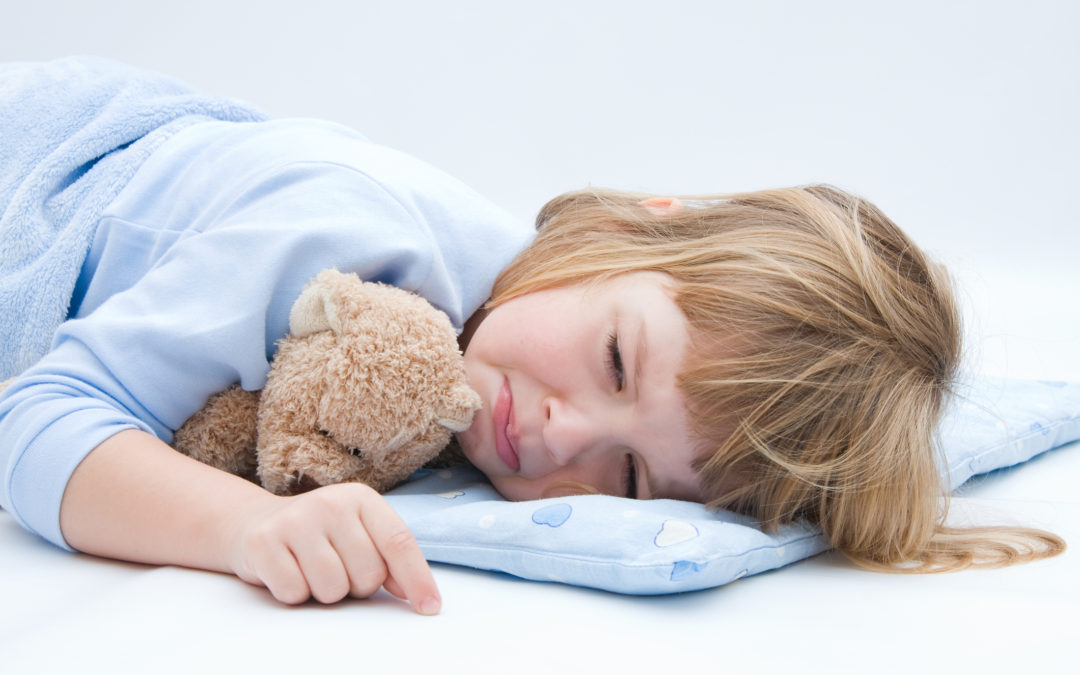
NIGHT TERRORS… What you need to know… when to seek help
NO NIGHT TERRORS,, great night! Jack loves his relaxation CD!!!! He has already asked to listen to it again tonight and EVERY night…” — Amy Bryant Furbee, Jack’s Mother
NIGHT TERROR CHEAT SHEET
Disclaimer: This information is not meant to replace diagnosis or care from a medical professional. It is for educational purposes only. Please feel free to print this Cheat Sheet out and consult your pediatrician if you believe your child is having night terrors. Discuss these strategies and write her recommendations down to refer to during a night terror.
When your child has a night terror, she is in the deepest stage of sleep, even though her eyes may be open. During a night terror your child may:
- Not be aware of her surrounding even though her eyes are open
- Not seem to recognize who you are
- Yell, scream,, cry or speak incoherently
- Sleep walk, sit up in bed, or thrash around
- Attempt to push you away when
- Perspire, be flushed, and have a rapid heartbeat
During a night terror you should NOT:
- Wake your child.
- Speak loudly, shout, or shake your child.
This is what you SHOULD do during a night terror
- Look at your watch; night terrors usually last from 5 to 20 minutes, although they seem to last much longer.
- Guide your child away from stairs, windows, or sharp objects.
- Turn on a soft light.
- Turn on your child’s relaxation CD or MP3.
Your child associates this CD with relaxation and bedtime, and your goal is to calm your child down and get her back into bed. - You may attempt to comfort your child, but if he pushes you away just pat him gently.
- Speak to your child softly and calmly.
- Gently guide back to bed if he has gotten out of bed.
- Try to get your child to lie down.
- After your child lies down, wait for him to fall back into a deep, quiet, sleep.
- When he is quiet, make the room safe in case he has another night terror: remove sharp toys, lock windows, and block the stairs if it is necessary.
When to seek medical help:
- When in doubt, ALWAYS seek help. Call your pediatrician even if it is night time. Remember that they are the experts and they WANT to help. They will not be annoyed or think you are silly.
- If your child stiffens, drools, or his body jerks, seek help immediately.
- If the night terror lasts for more than 30 minutes.
- If your child becomes difficult to manage, or you are afraid he may hurt himself or someone else.
- Call a professional after the first night terror for reassurance and advice. Write down any advice they give you.
Night terrors can be extremely stressful for people who witness them. During a night terror, remember:
- Breathe deeply.
- Although this scary, this is not harming my child.
- Night terrors are not considered abnormal or a sign of a serious condition.
- This does not mean that you have made a mistake or done anything wrong.
- The fact that you researched this shows that you are a conscientious parent or guardian!
- It is okay to call someone right this minute if you need help.
- Read the notes you have written on the back of this Night Terror cheat sheet.
.
When the night terror ends, listen your Airy Melody Music